Will it fit?
Width, depth and height, on the product page.
Websites
A Beedash website reads from the same library as your quotes and your orders, so the product a customer sees is the product you sell, at the price you set. Show your catalog, take quote requests, publish your prices and open checkout, each when you're ready.
Your catalog
The hard part of a dealer website is the product data, and that part is ours. We source the manufacturer data, standardize it and keep it current: model numbers, specifications, images and spec sheets.
You choose the lines and products you carry, set your prices and decide what publishes. Dealers on Beedash run sites with thousands of product pages, each with its own specifications and spec sheet.
You curate the catalog. We build it and keep it current.
Built for equipment
Equipment buyers check fit before they check price. A dealer's site has to answer questions that only come up in this industry, and every product page on Beedash does.
Width, depth and height, on the product page.
Voltage, wattage and the utility details the manufacturer publishes.
Certifications such as NSF and UL, where the manufacturer provides them.
The manufacturer's spec sheet, one click from the product.
Related products on the same page, so the buyer finds the rest of the order.
Ask a question, request a call back or request a quote, from any product.
Cart or quote
Equipment dealers sell both ways, so a Beedash website supports both on the same site. You decide which path each product takes.
Restaurant equipment ecommerce
Request a quote
At your pace
Go from a catalog to full online ordering one step at a time. Every step runs on the same library, so each one builds on the last.
Pricing
The price on your site comes from the same rules as the price on your quote. Your sell price is worked out from your cost and your margin or markup, so your website, your quotes and your orders agree.
Contract customers and national accounts log in and see their negotiated pricing. General visitors see the prices you choose to publish, or a quote request in place of a price.
On every dealer website
Many sites, one library
Run a main site, a parts site and a private site for each contract account from one catalog.
On your own domain, in your brand, with your categories and featured products.
A focused site for a different audience, reading from the same library.
A private site for each chain and franchise account, on their own pricing, so repeat business comes back to you.
See reorder sitesSearch and AI
Buyers search by model number, by brand and by specification. Every page on a Beedash website is built for search engines and AI assistants to read correctly.
Each with its model number, specifications, images and spec sheet.
A page for every brand and category you carry, the way buyers search.
Products, breadcrumbs and your business details, marked up for search engines.
A sitemap of every product, and product feeds for Google Merchant Center as an option.
Orders
Your website orders and your quotes sit in one place. Your ERP stays where it is: order, payment, refund and shipment data moves both ways, live today with NetSuite.
The build
We do the industry-specific build, on your own domain and in your brand, with content pages for your services and your story. A team with real industry experience builds it with you and is there when you need them.
Live dealer websites
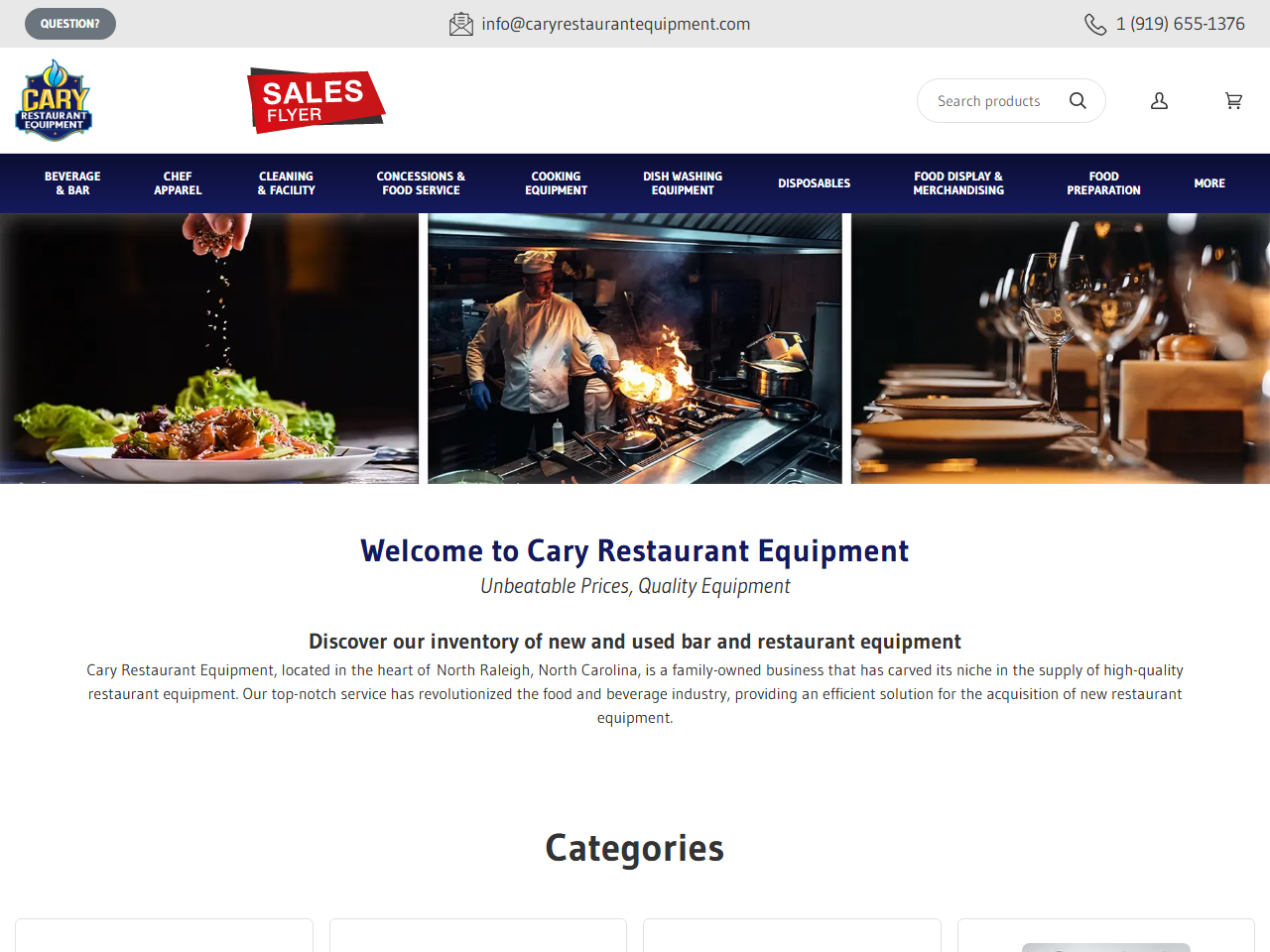
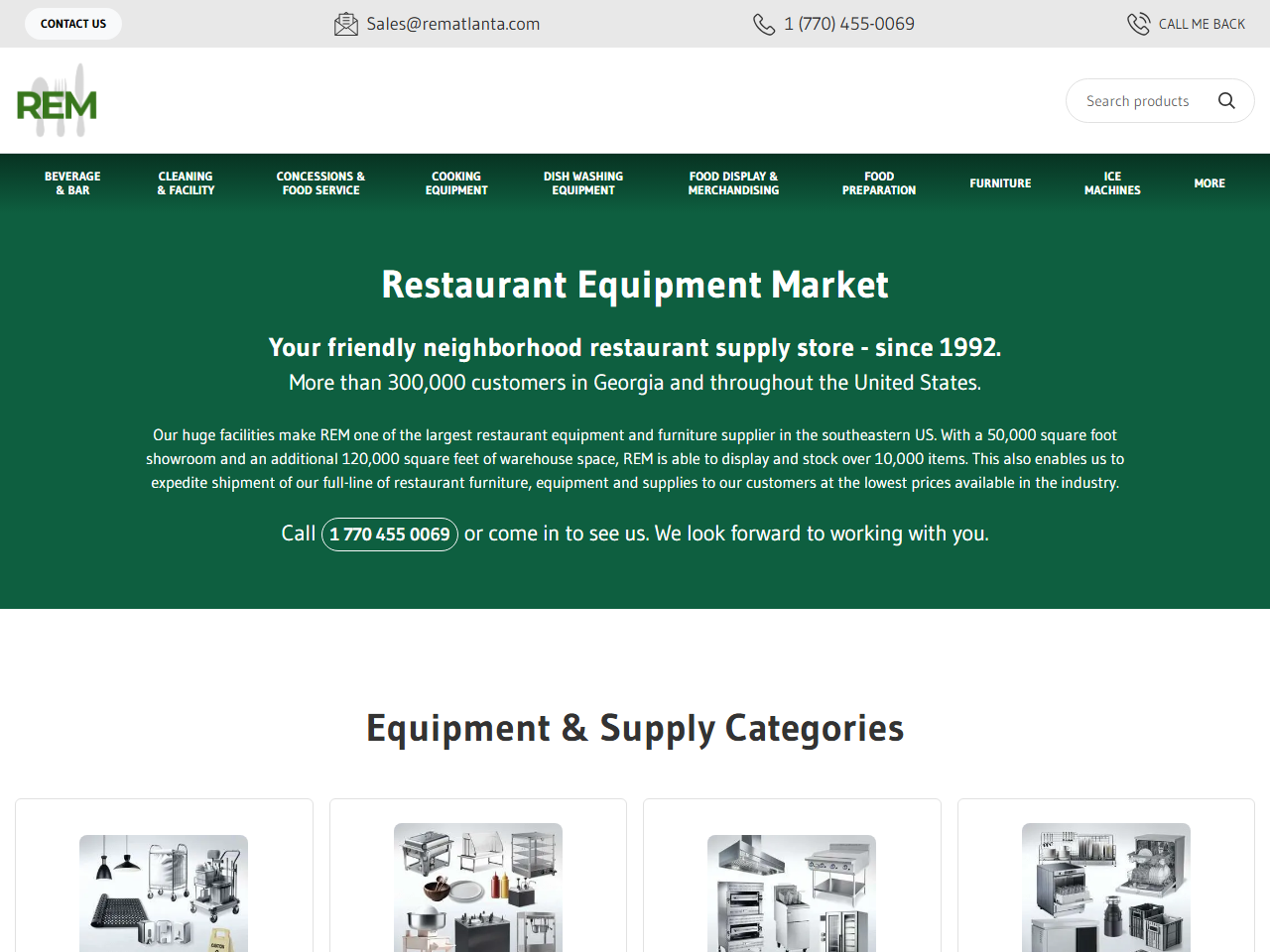
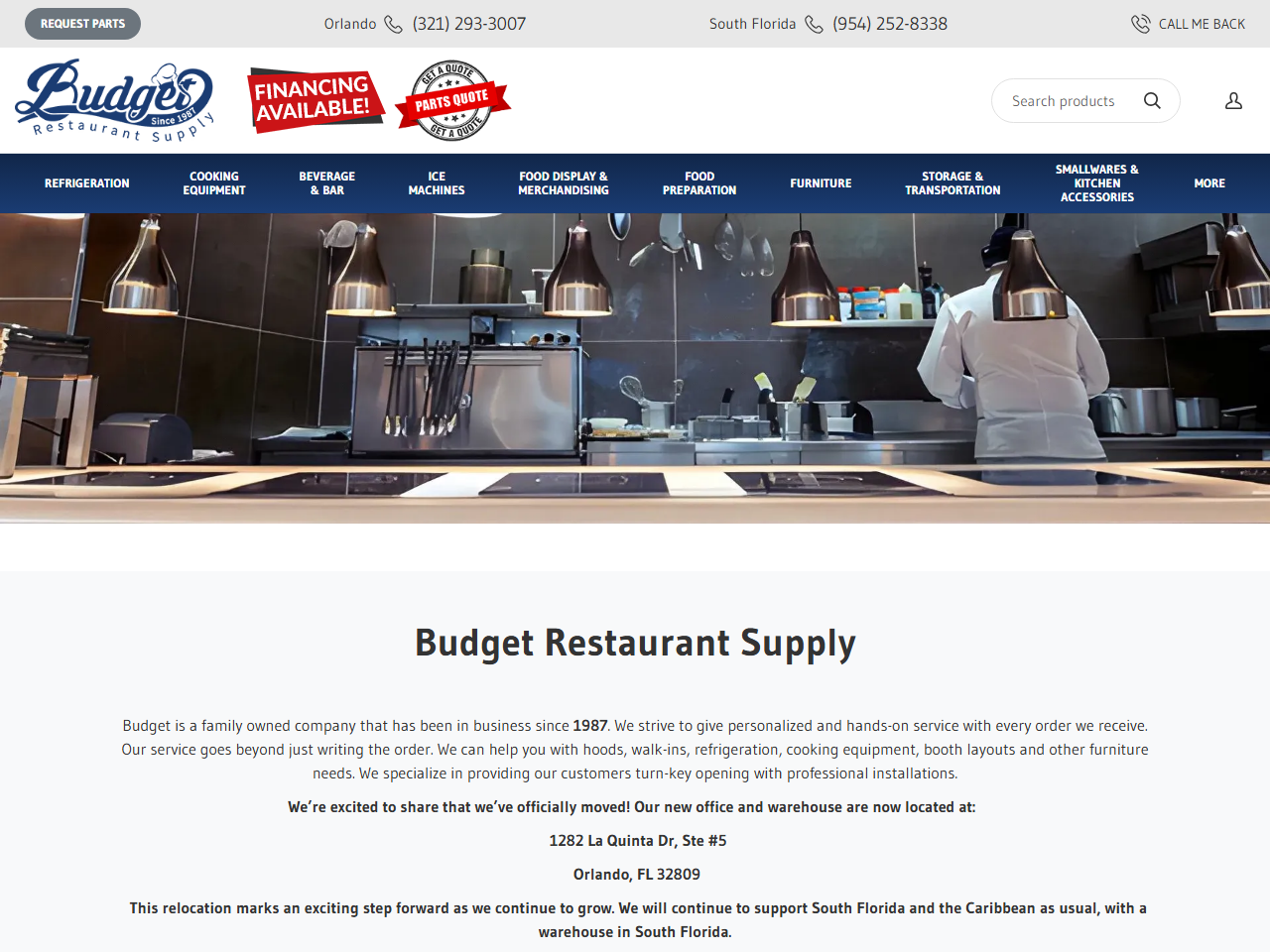
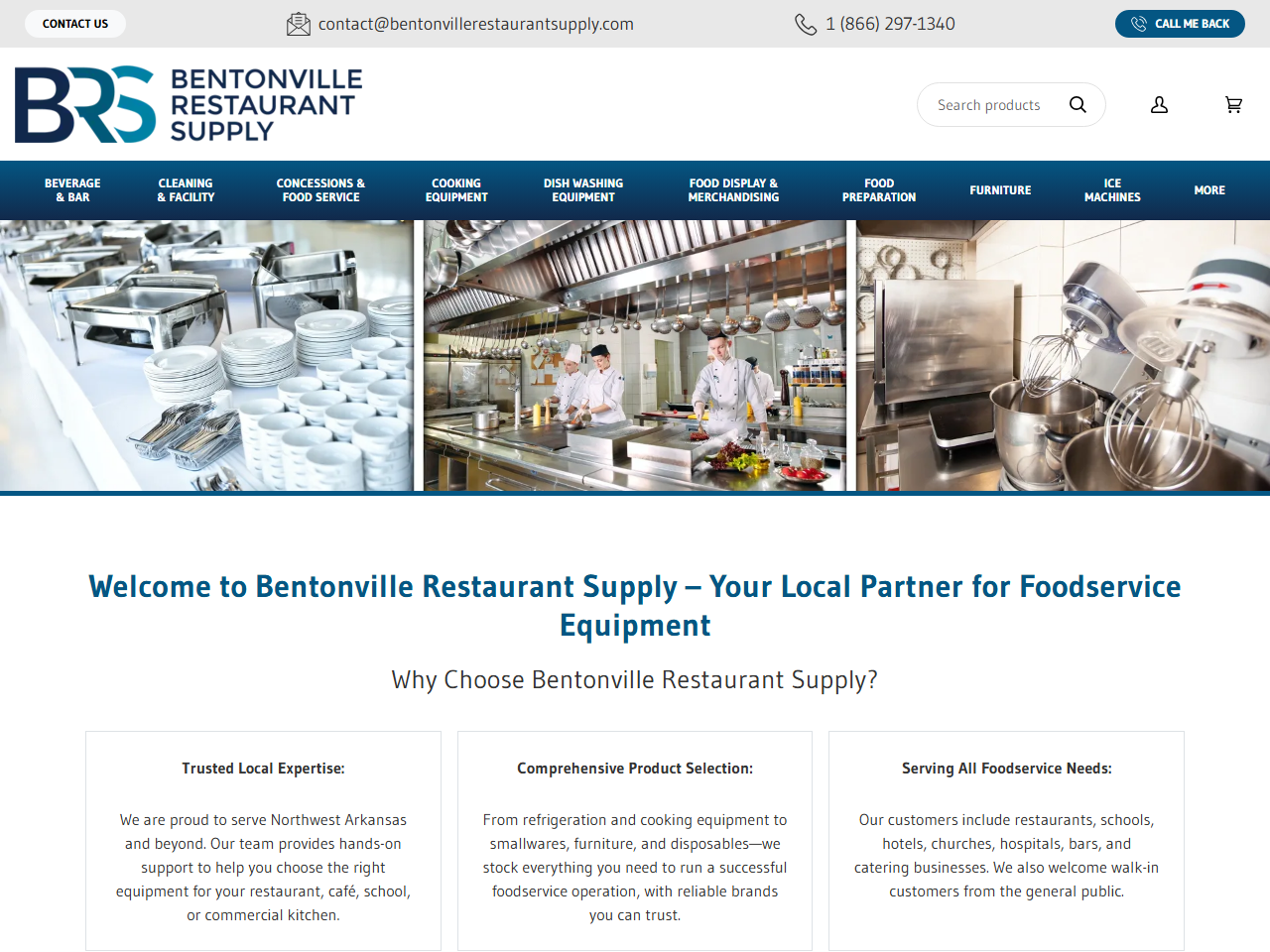
Dealers run 83 websites and reorder sites on their own Beedash catalog and pricing. Every one of these is live.
Customer stories

business growth for Cary Restaurant Equipment over three years on Beedash.

Website management made effortless, after years of fighting other platforms.

Seamless integration across the manufacturers they carry.

Easy price management and product listing, start to finish.
Questions
Short answers here. For the long ones, a team with real industry experience knows how to help.
A website for foodservice equipment dealers that reads from your Beedash library. Your products, specifications, images, spec sheets and prices come from the same place as your quotes and your orders, so every channel agrees.
Yes. Many dealers start with their catalog and quote requests, then publish prices for every visitor or for specific accounts when they're ready.
Yes. Parts, smallwares and standard supplies can carry a price and a cart, while equipment that depends on freight, configuration or account pricing can carry a quote request. Both run on the same site.
The manufacturer data arrives already sourced and standardized, with specifications, images and spec sheets. You choose the lines and products you carry, set your prices and decide what publishes.
Yes. Contract customers and national accounts log in and see their negotiated pricing. General visitors see the prices you choose to publish, or a quote request in place of a price.
Yes. Your site runs on your own domain, in your brand, with your categories and your featured products.
Yes, when you're ready. Checkout covers tax, shipping estimates and payment, and you choose which products can be bought online and which go through a quote.
Yes. A main site, a parts site and a private reorder site for each contract account all read from the same library.
Every product has its own page with its model number, specifications and spec sheet, and every page carries structured data, a title and a description. Rankings depend on your market and your competition, so what we build is a site search engines and AI assistants can read correctly.
Your ERP stays where it is. Order, payment, refund and shipment data moves both ways, live today with NetSuite. Tell us what else you run and you get a straight answer.
It depends on what you use, so it's a conversation, and you get a straight number before you commit to anything.
From the blog
See it for yourself
Bring your own product lines. We'll show you what your website looks like with your brands on it, and answer anything about moving over.